From Saturday Morning Cartoons to Chanel Bags: How Anime Mascots Became the New Status Symbol
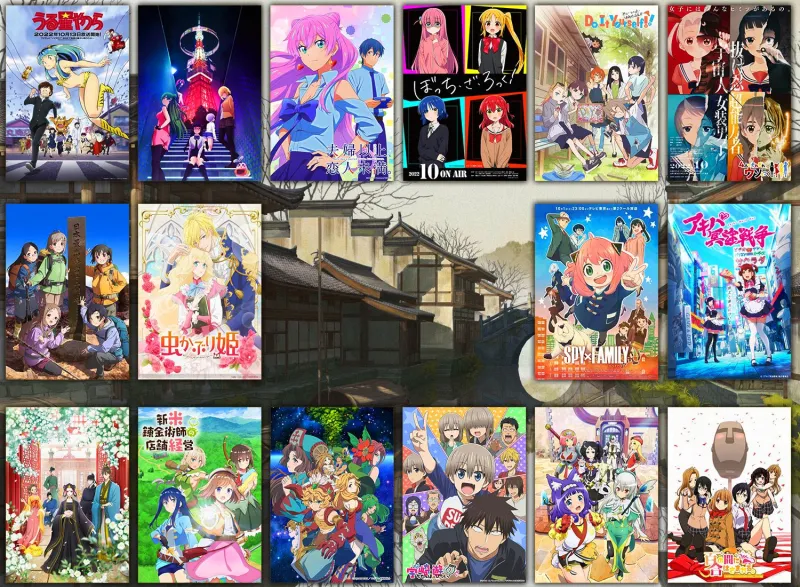
Photo: anime character luxury fashion collaboration designer bag kawaii aesthetic, via rascal.pl
Let's set the scene. You're scrolling through Instagram and you spot it: a limited-edition tote bag featuring a dewy-eyed anime mascot you definitely had on your Trapper Keeper in third grade. The brand? A Parisian fashion house you'd have to sell a kidney to afford. The price tag? Somewhere between "audible gasp" and "I need to sit down." And yet — you want it. You want it badly.
Welcome to the kawaii luxury crossover era, where the characters that once lived on your lunchbox are now gracing runway accessories, designer sneaker drops, and gallery-worthy art collaborations. Gen Z didn't just grow up loving these mascots — they grew up and decided those mascots deserved a seat at fashion week.
The Nostalgia-to-Luxury Pipeline Is Very Real
Here's the thing about Gen Z and nostalgia: it's not passive. This generation doesn't just remember the kawaii characters from their childhood Saturday morning anime binges — they actively curate them, elevate them, and assign them cultural weight that previous generations reserved for, say, a vintage Hermès scarf.
Characters like Cinnamoroll, Pochacco, Pikachu, and even deep-cut mascots from mid-2000s anime series have become shorthand for a very specific kind of taste. Owning a well-chosen piece featuring one of these characters signals that you're in the know — that you understand the reference, the history, and the aesthetic language behind it. That's the exact same psychological machinery that makes a logo handbag a status symbol. The only difference is the icon is considerably more adorable and has significantly larger eyes.
Fashion brands noticed. And they pounced.
Designer Drops That Made the Internet Lose Its Mind
The collaborations have been coming fast and they've been unhinged in the best possible way. Loewe's partnership with Studio Ghibli sent collectors into a full spiral, producing pieces that featured characters from beloved films rendered in the brand's signature buttery leather and meticulous craftsmanship. The result was something that felt simultaneously like a museum artifact and the most covetable thing you'd ever seen on a shelf.
Moschino has long played in the cartoon-meets-couture space, but younger brands and streetwear labels have pushed the concept even further — think Supreme-adjacent drops featuring niche anime mascots that sell out in under four minutes and immediately appear on resale sites at triple the price. Uniqlo's UT line has been quietly doing this for years, making graphic tees featuring anime characters into genuine collector items that people hunt through thrift stores to find vintage versions of.
And then there's the custom art market, which is its own entire universe. Independent artists on platforms like Etsy, Depop, and Instagram are hand-painting anime mascots onto vintage denim jackets, luxury bag canvases, and even upcycled designer pieces — creating one-of-a-kind wearable art that blends high-low fashion in a way that feels genuinely fresh.
The Vintage vs. New Debate: Cute AND Conscious
Here's where it gets interesting, and also where Gen Z's values start to complicate the simple joy of wanting a Totoro-embroidered cashmere sweater. Many members of this generation are deeply skeptical of fast fashion and wary of overconsumption — which creates a fascinating tension when a luxury brand drops a limited kawaii collab that requires buying something new.
The solution a lot of Gen Z shoppers have landed on? Vintage and secondhand first, always. Hunting through eBay, Mercari, and dedicated anime merchandise resale communities for original late-'90s and early-2000s character goods has become its own subculture. A pristine vintage Sailor Moon plush or an original Pikachu promotional piece from a Japanese McDonald's campaign isn't just cute — it's sustainable, it's rare, and it's got a story.
This approach reframes the entire luxury conversation. When you're sourcing a vintage Sanrio piece from 2001 and styling it as the centerpiece of your outfit, you're not just flexing money — you're flexing knowledge, patience, and a genuine connection to the character's history. That's a different kind of status, and honestly? It hits different.
Why Cute Is the New Cool (and Always Kind of Was)
Traditional luxury branding has spent decades trying to project exclusivity through seriousness — sleek lines, muted colors, and a general vibe of "we will not be explaining the price to you." Kawaii culture operates on completely opposite principles: abundance of feeling, maximalist color, and an almost aggressive openness about joy.
What Gen Z has figured out is that these two things aren't actually in conflict. In fact, the contrast is the whole point. Carrying a meticulously crafted leather bag adorned with a round-cheeked anime bunny is a statement precisely because it refuses to take itself too seriously. It's confidence expressed through whimsy. It says: I have taste, I have means, and I also think life should be fun.
This philosophy is reshaping what luxury even means for a younger consumer base. A $400 custom-painted vintage denim jacket featuring a beloved anime mascot can carry more cultural cachet in certain circles than a comparably priced minimalist piece from a heritage brand. The story matters. The character matters. The feeling matters.
The Mascot as Personal Brand
There's also something deeply personal happening here. Many Gen Z consumers aren't just collecting kawaii luxury items — they're selecting specific characters that feel like extensions of their own identity. The character you champion says something about you: your aesthetic sensibility, your anime knowledge, your sense of humor, your values.
This is character-driven self-expression at a level that goes way beyond a graphic tee. When someone commissions a custom art piece featuring a specific, somewhat obscure anime mascot from a 2003 series, they're not just buying art. They're planting a flag. They're saying I see this character, this character sees me, and I'm proud of that.
Fashion has always been about identity construction. Kawaii mascot luxury just does it with significantly better vibes and a much higher cuteness quotient.
What Comes Next
If current trajectories hold, we're only at the beginning of this particular cultural moment. More luxury houses are eyeing anime and kawaii IP collaborations. More independent artists are building sustainable businesses around character-driven custom fashion. And more Gen Z consumers are developing increasingly sophisticated frameworks for how they acquire, style, and assign meaning to these pieces.
The kawaii comeback isn't really a comeback at all. These characters never lost their power — the culture just finally caught up to what a certain generation of kids already knew: that there is nothing more powerful than something that makes you feel pure, uncomplicated joy.
Now if you'll excuse us, we have a vintage Pochacco tote to track down on Mercari. For editorial research purposes. Obviously.
