Mushrooms, Moonlight, and Micro-Trends: How Soft Aesthetics Became Gen Z's Favorite Escape Hatch
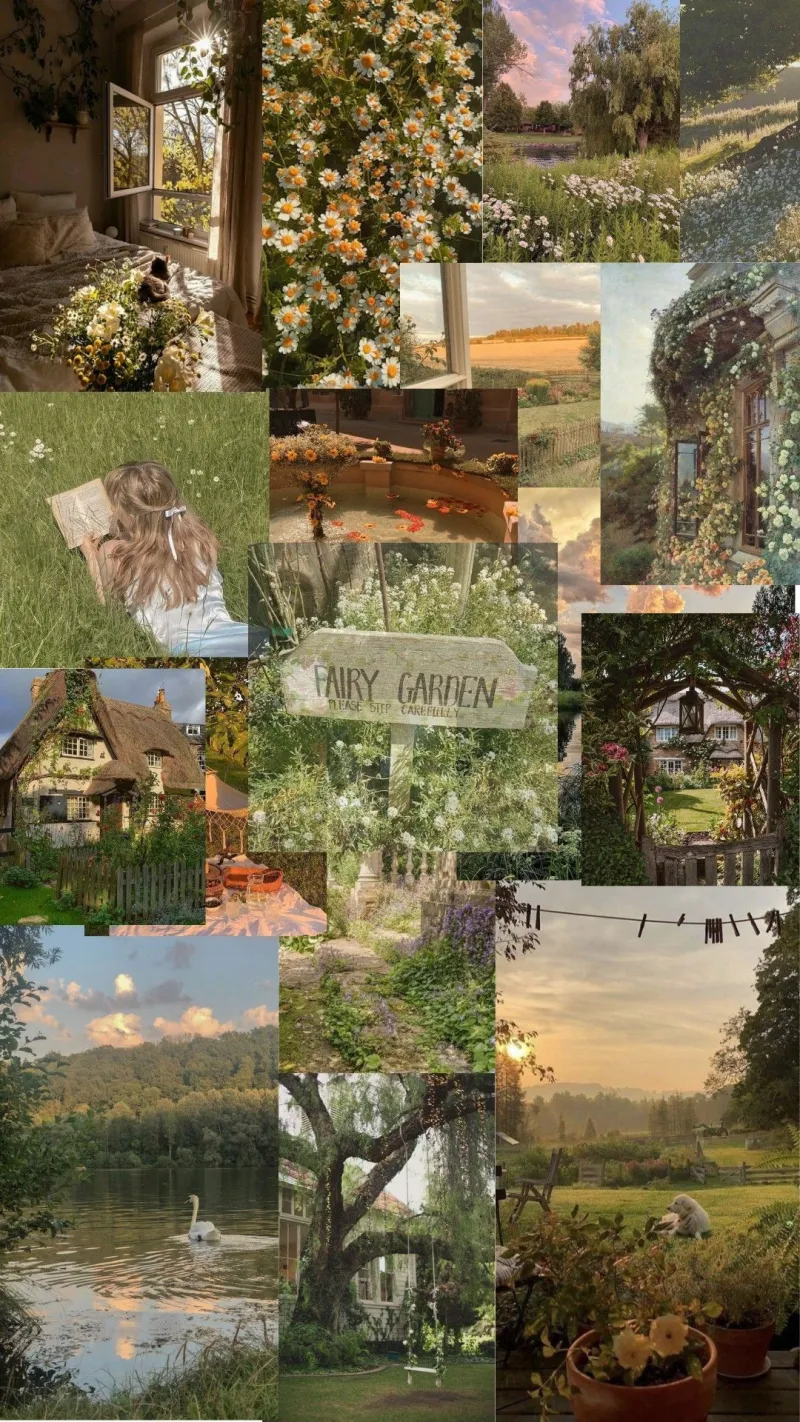
Photo: cottagecore aesthetic bedroom with dried flowers mushroom decor pastel, via aestheticwallpapers.io
Imagine waking up in a bedroom that looks like a woodland fairy decorated it during a particularly productive Saturday. There are dried flowers hanging from the ceiling, a mushroom lamp glowing softly on the nightstand, and approximately forty-seven plushies judging you from the corner shelf. Your linen dress is already draped over the chair. Your sourdough starter is named Gerald.
Welcome to soft aesthetics — the gentle, whimsical, and occasionally fungus-themed visual universe that Gen Z has fully claimed as its own. If you've spent more than twelve minutes on TikTok or Instagram in the past few years, you've definitely stumbled into this world. And if you haven't? Buckle up, because things are about to get very cozy.
So What Exactly Are Soft Aesthetics?
The term "soft aesthetics" is a loose umbrella covering several overlapping visual and lifestyle movements that prioritize gentleness, imagination, and a kind of handmade warmth. The big three right now are cottagecore, fairycore, and kawaii culture — and while they each have their own distinct flavor, they share a core philosophy: the world is overwhelming, and sometimes you need to emotionally relocate to an enchanted meadow.
Cottagecore is probably the most well-known of the bunch. Think: linen aprons, wildflower bouquets, bread baking, and the general vibe of someone who has opted out of modern capitalism in favor of tending a small but deeply photogenic garden. It romanticizes rural, pastoral life — even if you're actually living in a studio apartment in Columbus, Ohio.
Fairycore takes things a step further into the fantastical. We're talking iridescent fabrics, butterfly clips, glowing orbs of light, and the strong implication that you may or may not have wings under that flowy cardigan. It pulls heavily from mythology, folklore, and the kind of vibe that says, "I have personally spoken to at least one enchanted creature."
Kawaii culture arrives from Japan and has been weaving itself into American youth culture for decades — but its current form is bigger, bolder, and more personalized than ever. Pastel color palettes, oversized plushies, cartoon characters, and the deliberate embrace of cuteness as a serious aesthetic statement have found a massive new audience among young Americans who grew up watching Studio Ghibli films and collecting Sanrio stationery.
Why Now? Why This?
Here's where it gets genuinely interesting. These aesthetics didn't just randomly go viral — they emerged in a very specific cultural moment. The early 2020s handed Gen Z a pandemic, a mental health crisis, a chaotic news cycle, and a job market that occasionally feels like a prank. In response, a generation of young people collectively said: "You know what? I'm going to focus on making my bookshelf look like it belongs to a forest witch."
Maddie, a 22-year-old college student in Portland, Oregon, describes her relationship with cottagecore as genuinely therapeutic. "I started decorating my dorm room with dried flowers and vintage-looking candles during finals week one year, and it just... helped," she says. "It sounds silly, but having a space that felt soft and intentional made me feel less like I was drowning."
That sentiment echoes across creator communities online. Soft aesthetics offer something increasingly rare in digital culture: slowness. They celebrate handmade things, natural textures, and the pleasure of small, beautiful details. In a media landscape that rewards shock and speed, there's something quietly radical about a TikTok that's just someone arranging mushroom figurines on a windowsill to the sound of a rainstorm.
The Creative Economy of Cute
Soft aesthetics aren't just a mood — they're a full creative ecosystem. Etsy shops selling hand-painted fairy doors and crocheted mushroom plushies are booming. Independent artists on Instagram are building dedicated followings around their cottagecore illustration styles. TikTok creators have carved out entire careers from "aesthetic room transformation" videos that rack up millions of views.
Jasper, a 25-year-old illustrator based in Austin, Texas, started posting fairycore-inspired digital art during the pandemic and now runs a successful print shop. "I think people are hungry for beauty that feels accessible," he says. "You don't need to be wealthy or have a perfect life to appreciate a pretty mushroom drawing. It's for everyone."
Brands have noticed too. Target's home décor section has quietly become a soft aesthetic treasure trove. Hot Topic now stocks kawaii plushies alongside band tees. Even mainstream fashion labels have released cottagecore-adjacent collections — though purists in the community will tell you that a $200 linen dress from a fast fashion brand kind of misses the point.
Build Your Own Soft Aesthetic World
Want to dip a toe into this enchanted universe without going full woodland cottage overnight? Here's how to ease in:
Start with one corner. Pick a shelf, a windowsill, or a nightstand and make it intentionally soft. Add a small plant, a candle, a figurine that makes you happy. That's it. You've begun.
Thrift everything you possibly can. Soft aesthetics and thrift stores are best friends. Vintage lace doilies, old ceramic animals, floral teacups — all of it costs almost nothing at Goodwill and adds enormous charm.
Embrace the mushroom. We cannot stress this enough. Mushroom-shaped lamps, mushroom prints, mushroom plushies. The mushroom is the official mascot of the soft aesthetic movement and it will not be argued with.
Go pastel or go home. Swap out a few harsh, bright items for softer tones — dusty pink, sage green, lavender, cream. The color palette alone does about seventy percent of the aesthetic heavy lifting.
Follow creators who inspire you. The soft aesthetic community on TikTok and Instagram is genuinely one of the warmest corners of the internet. Accounts dedicated to cottagecore, kawaii art, and fairycore styling are overflowing with ideas, tutorials, and people who will enthusiastically compliment your mushroom lamp.
The Deeper Magic
At its heart, the soft aesthetic movement is about permission — permission to find joy in gentle things, to prioritize beauty and whimsy in your personal space, and to opt out of the relentless edge and irony that dominates so much of internet culture. It's a generation building little sanctuaries, one dried flower and one kawaii plushie at a time.
And honestly? In a world that often feels like it's running at maximum volume, there's something deeply wise about choosing softness. Even if that softness involves a frankly unreasonable number of mushroom figurines.
Gerald the sourdough starter would be proud.