Ugly on Purpose: How Dressing (and Decorating) Badly Became the Chicest Thing You Can Possibly Do
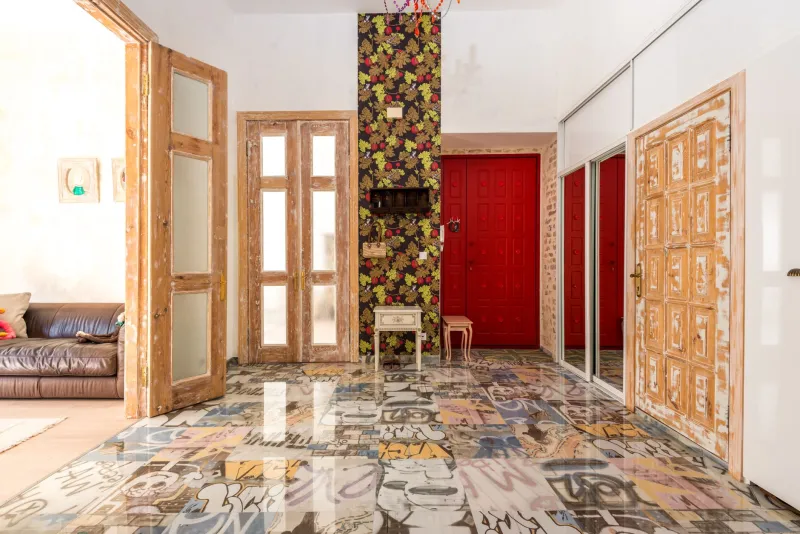
Somewhere in Brooklyn, a woman is wearing a floral blouse that doesn't match her plaid trousers, sensible shoes that her grandmother would describe as "very practical," and a tote bag with a slightly ironic slogan on it. Her apartment has a lamp that looks like it was rescued from a 1974 dentist's waiting room, a rug in a color that has no name but could be described as "regrettable beige," and a collection of ceramic animals that is charming precisely because it is slightly too many ceramic animals.
She looks incredible. The apartment looks incredible. And none of it is an accident.
Welcome to the anti-aesthetic aesthetic—where looking deliberately, thoughtfully off has become the most sophisticated thing you can do with your appearance and your space.
The Tyranny of the Polished Feed
To understand why "ugly" became cool, you have to understand what it's reacting against. For roughly a decade, the dominant visual language of aspirational American life was Instagram-perfect: neutral palettes, clean lines, outfits that looked effortlessly coordinated in ways that required enormous effort. Everything was curated. Everything was optimized. Everything looked like it had been staged by someone who charged $300 an hour.
And it was exhausting. Not just to maintain, but to look at. The sameness of it—the endless parade of white kitchens, capsule wardrobes in shades of oat and fog, the Specific Couch That Everyone Had—created a visual monoculture that was technically beautiful and somehow completely soulless.
The anti-aesthetic is the correction.
What "Ugly" Actually Signals
Here's the counterintuitive part: choosing to look unflattering, or to decorate your home in ways that would make an interior design influencer gently weep, is actually a confidence play of the highest order.
When you show up in an outfit that doesn't match, or hang art that your guests will visibly struggle to respond to, or wear the orthopedic sandals unironically, you're communicating something very specific: I don't need your approval. And in a culture that has spent years optimizing every visible surface for maximum validation, that is a genuinely radical statement.
"There's a reason high fashion has always played with 'ugly,'" notes fashion writer and general chaos enthusiast Bex, who runs a newsletter from Philadelphia about the cultural politics of getting dressed. "When you can afford to look bad—when you have enough social capital that bad dressing reads as a choice and not a limitation—it becomes a power move. The question now is how that logic is filtering down from the runway into everyday life."
The answer, increasingly, is: all the way down. The deliberately ugly aesthetic has migrated from avant-garde fashion houses to thrift store regulars to the kind of person who buys a lamp specifically because it's aggressively hideous and they love it for that.
The Blurry Photo as Artistic Statement
It's not just fashion and home décor. The anti-aesthetic has colonized photography too, and in the most delightful way possible.
Where the Instagram era demanded sharp, well-lit, perfectly composed images, the current cool-kid visual language is grainy, slightly blurry, badly lit in ways that feel intentional, shot on disposable cameras or old digital cameras with their deeply unflattering flash. Film photography has surged in popularity not despite its imperfections but because of them. The imperfections are the point.
A blurry photo of a dinner party, shot on a disposable camera, where everyone looks slightly washed out and the food is unidentifiable—that image communicates something that no perfectly lit flat lay ever could. It says: we were actually there. We weren't performing. This was real.
The lo-fi aesthetic is, at its core, an authenticity signal. And in a moment when everything can be filtered, corrected, and optimized into something frictionless and fake, friction feels like truth.
The Ugly Home as Sanctuary
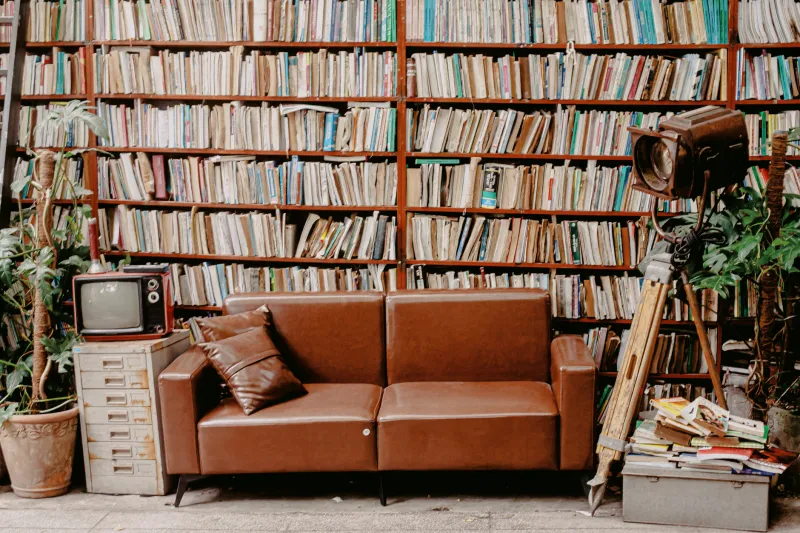
In home décor, the anti-aesthetic shows up as a full-throated rejection of the minimalist, neutral, everything-matches approach that dominated the last decade. The rooms getting the most attention right now—in the corners of the internet where actual taste is being formed, rather than the big-box influencer sphere—look like they were assembled by someone who bought things because they loved them, not because they cohered.
Clashing patterns. Colors that have no business being in the same room. Furniture from five different decades. Art that is genuinely strange. Collections of objects that require explanation—and sometimes don't get one.
"My living room looks like a Victorian séance room had a baby with a 1980s rec room," says Marcus, a 31-year-old from Atlanta who has fully committed to maximalist chaos as a design philosophy. "People walk in and they always have a reaction. That's what I want. A reaction means it's real. A room that makes everybody go 'oh, nice' is a room that says nothing."
The Opt-Out as the Ultimate Upgrade
The deeper logic of the anti-aesthetic is this: polish is something you perform for other people. Ugliness—chosen, deliberate, loved—is something you do for yourself.
In a culture that has spent years telling us to optimize, curate, and present our best selves for maximum external approval, choosing to show up looking weird, mismatched, and completely unbothered is a quiet act of liberation. It's saying: I know what I like. I like this. We're done here.
And that, in the end, is the most luxurious thing of all—not the ability to buy beautiful things, but the confidence to decide for yourself what beautiful means.
Wear the weird lamp. Buy the terrible rug. Take the blurry photo. You're doing great.